

Welcome to “The Stories.”
People ask me all the time if the stories in my songs are really true. The answer is yes, to the best of my knowledge.
That said, family history stories are most often left behind by human beings with bias, and often a love for good storytelling. There are a lot of gaps between what we know for certain, and I suspect that my ancestors fill those gaps with what seems the most reasonable, convenient, or even exciting to them. So I can’t guarantee that every detail I wrote in my songs is exactly how it happened, and I certainly can’t claim to tell the stories from the perspective of an objective 3rd party. But I have looked into my family history, found these stories recorded, and searched for facts to verify them. If you’re interested in looking behind the songs at that journey, I’m documenting it for you here.
At the end of the day, though, my hope is that as you read, you become interested in your own family history, your immediate family’s stories, and in your own story. Each time I find a story, do the research, and write a song, I start to feel like I know these people. But for so many of the names in my family tree, I have nothing but timelines. It’s not bad record keeping, but it leaves no opportunity for connection. If we don’t write down our stories, and tell them, who will?
There are voices in the past just waiting to be heard, and I think it’s our job to seek them, and listen. For now, enjoy these stories, and I hope there are many more to come.
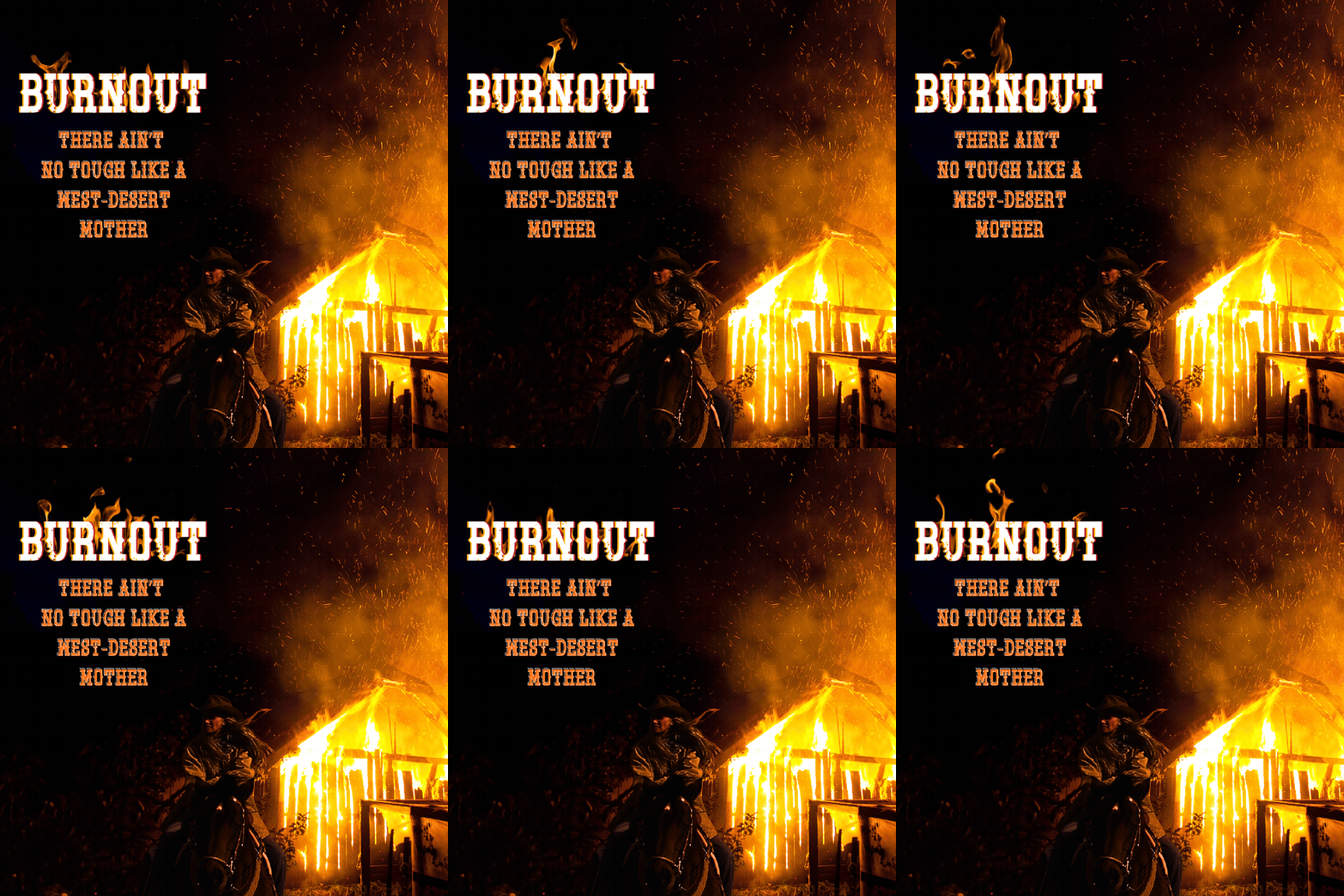
Martha Elvira Sanford Craw
Martha is my 4th Great Grandmother. She was said to pack a pistol in her petticoat. She burned down Frank Clark’s Barn one night to exact revenge on behalf of two of her daughters (or at least that’s how the story goes). After a family reunion in Pioche where we visited her grave, I became fascinated with the fragments of her story my family told. When I got home, I started my own research. It turns out, there IS record of a lawsuit between Martha’s husband and a man named Frank Clark who he accused of seducing one of his daughters. There is also a record/newspaper clipping about Frank Clark’s ranch mysteriously burning down, when no one was home.
Is the whole story true? I can’t verify every fact, but the “coincidences” are certainly stranger than fiction.
Andrew Aagard
One Black Sheep is a song about my ancestor Andrew Aagard. He was an immigrant from Denmark. When he arrived in the small town of Fountain Green, Utah, the town was struggling financially. The only thing he had that held much value was a pocket watch. He traded it with someone for one black ewe.Eventually, Annie also traded the cow for some sheep, and their herd grew so much that they helped start the local sheep co-op. The co-op created livelihood for lots of people and was one way that people learned to provide for themselves.
The song is structured as a series of vignettes that paint a picture of the kind of man he was. I think the simplest way to say it is this: Andrew Aagard was unlikely to give you a handout, but if you needed it help, he was absolutely going to lend you a hand. He’s a “teach a man to fish” kind of guy. It’s a great reminder that there are many ways to be generous.


Jim Mickel
Jim Mickel is my 2nd Great Grand Uncle. I grew up hearing all kinds of stories about this sheepherder-turned outlaw. This story is a long and complicated one, one that still isn’t complete. The song tells a little bit of what we know, but it’s also a reminder of how much information is lost to time, poor record keeping, or town gossip and story-hungry news reports.
Long story short, either Jim or Moen shot Sheriff Burns over a dispute about some stolen sheep. The boys went on the run, and we don’t know much for certain after that but the variations of the story are fascinating.
Learn everything we do know about Jim, Moen, and Sheriff Burns here.
Thomas Hooker
Thomas Hooker was my 10th great grandfather, and the founder of Connecticut. Now, just remember that when you go 10 generations back, you have around 2,000 10th great grandfathers, and so at least one of them is bound to do something interesting. It’s not even remotely a claim to fame, but it is an interesting story.
Before Thomas Hooker came to the United States and founded Connecticut, he was a young preacher in England. Early in his preaching “career” he came to a town called Marefield, and rumor had it that there was a haunted house. The young preacher didn’t believe in ghosts, so he promised the town he’d spend the night in the abandoned house just to prove there was no such thing. This song is about what he found out that night.
Learn more about Thomas Hooker’s story here.
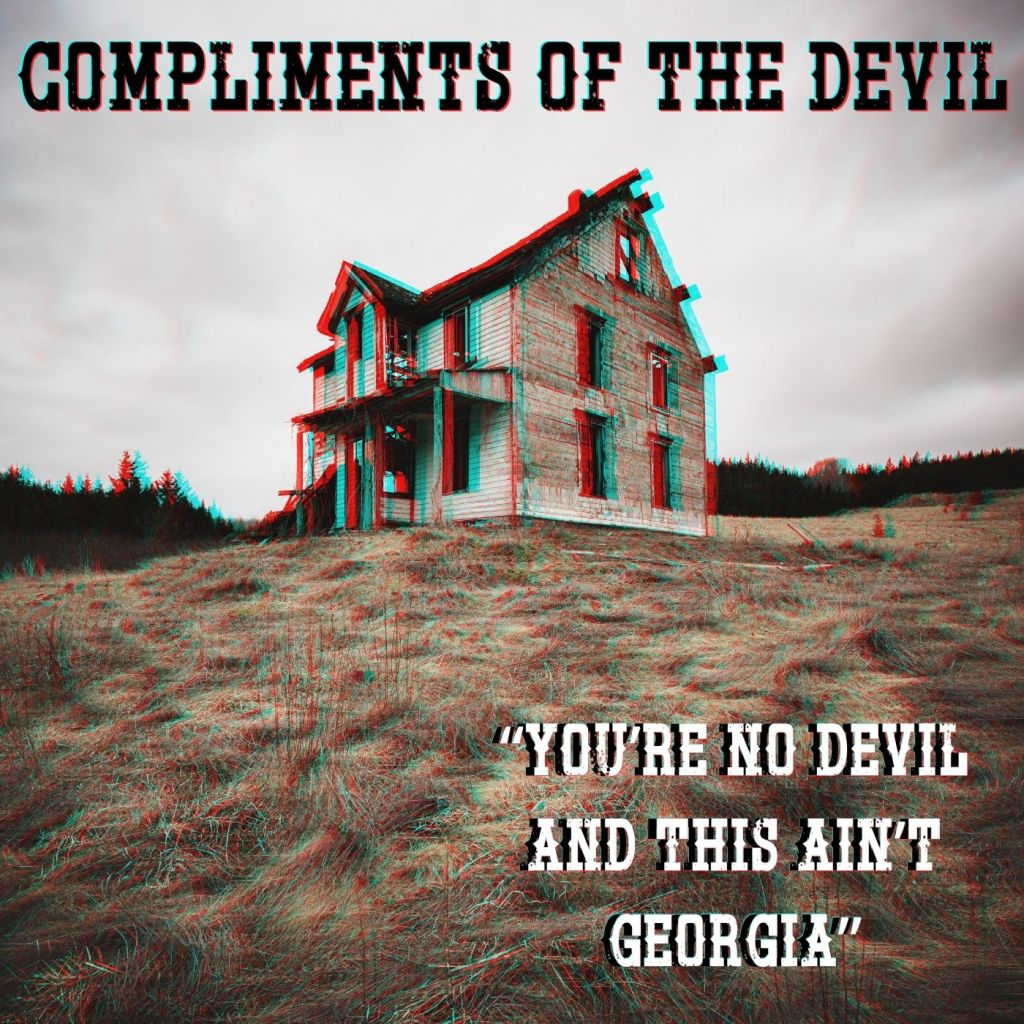

Lieutenant Dabney
Unlike the songs above, “Dear Editor” isn’t about a family member, and it’s not a personal story either. It’s based on a letter to the editor my mom found in the St. George newspaper. A man had found a veteran burial flag in a thrift store. Heartbroken that someone had just donated it away, he wrote a the letter hoping that whoever donated it would take it back and keep it in their family. Mom read the letter out loud to me in her living room, and the story haunted me for weeks before I sat down and put it to music. So the story isn’t mine. I didn’t invent, but like most of my songs, it’s the truth as well as I know it, and it’s a story that wouldn’t leave me alone once I heard it.
Read the letter and hear the whole story here.